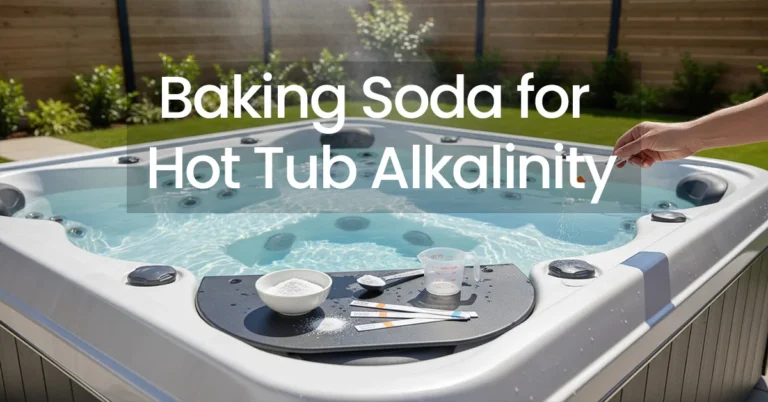
Learning how much baking soda to raise alkalinity in hot tub is probably one of the best ways to save your spa, your equipment, and your skin. Most hot tubs owners have cloudy water, skin irritation, or low/high sanitizer levels because the hot tub alkalinity is not in the balanced state. If you have asked yourself how to raise alkalinity in hot tub with baking soda, or you are dealing with low hot tub alkalinity and low hot tub pH, the best answer is baking soda (sodium bicarbonate).
The water chemistry of your hot tub is dependent on total alkalinity. Low alkalinity means pH goes through large and rapid swings making the hot tub water difficult to balance. Adding baking soda to a hot tub not only helps to raise alkalinity, but also helps to balance pH and improves water conditions. This guide explains how to use baking soda hot tub alkalinity, and related issues, such as how to lower pH and alkalinity in hot tub.
How to Raise Alkalinity in Hot Tub with Baking Soda?
Increasing the alkalinity in the hot tub should begin with the water volume and the current test reading. Can baking soda raise the alkalinity in your hot tub? Certainly. The active ingredient in baking soda and many other commercial alkalinity increasers is sodium bicarbonate. So, the answer is yes!
The Following Baking Soda Facts
- Raises Total Hot Tub Alkalinity
- Balances Hot Tub pH
- Acrylic Shell and Equipment Safe
- Affordable and Accessible
Here is a guide to the general dosage
Here is a simple guide to the recommended general dosage for safe and effective use.
| Hot Tub Size | Baking Soda Amount | Alkalinity Increase |
| 200 gallons | 1 tablespoon | ~10 ppm |
| 400 gallons | 2 tablespoons | ~10 ppm |
| 500 gallons | 1/4 cup | ~20 ppm |
| 1,000 gallons | 1/2 cup | ~20 ppm |
The above table addresses the question many ask. how much baking soda to add to hot tub to raise alkalinity. Always pre-dissolve the baking soda in water before pouring the mixture into the hot tub. Circulation for at least 30 minutes is recommended prior to retesting.
Best practice checklist
- Test water before adding anything
- Add in small doses
- Run the jets while adding
- Retest after 30–60 minutes
- Repeat if needed
Using the above measures it will be certain that baking soda will raise the alkalinity in your hot tub without overshooting the ideal alkalinity for hot tub at 80–120 ppm.
Low alkalinity and pH level in hot tub
The combination of low alkalinity and pH can lead to water becoming aggressive. This can lead to corrosion, irritation to eyes, and instability to your sanitizer. In this case, yes, will baking soda raise alkalinity in hot tub? Yes, and it also increases pH a little.
Answering issues related to low alkalinity
- Rapid drops in pH
- Corroded pumps and heaters
- Water becomes cloudy
- Strong odor of chemicals
- Irritation to skin and eyes
How baking soda helps
- Baking soda raises total alkalinity first
- It naturally stabilizes pH
- It improves the performance of your sanitizer
- It helps hot tub water chemistry in the long run
Step-by-step correction
- Test pH and alkalinity
- Add baking soda until you reach 80 to 120 ppm of alkalinity
- Circulate the water for 30 mins
- Retest and make pH adjustments if needed
This process answers several questions, including can you use baking soda to increase alkalinity in hot tub and hot tubs safety baking soda. Always adjust pH after alkalinity.
Read More: Maintenance and Water Care Guide
Does Baking Soda Lower pH in Hot Tub?
Many believe that baking soda lowers pH which is totally false. Does baking soda lower pH in hot tub? No. While baking soda increases pH a little, it strongly increases your alkalinity.
What does baking soda do?
- Major: Raises alkalinity
- Minor: Raises pH
- Stabilizes water conditions
Here is an overview about baking soda’s usage:
| Product | Raises Alkalinity | Raises pH | Lowers pH |
| Baking soda | Yes | Slight | No |
| Soda ash | Slight | Strong | No |
| Muriatic acid | No | No | Yes |
If your goal is to raise alkalinity in your hot tub without a sharp increase in pH, baking soda is correct. It helps maintain a stable pH and prevents pH bounce.
When is baking soda ideal?
- pH below 7.2
- Alkalinity below 80 ppm
- Unstable test results
- Frequent chemical adjustments
How to lower pH and alkalinity in hot tub?
Sometimes the alkalinity goes too high due to overdosing. In those cases, people search how to lower pH and alkalinity in hot tub.
Safe reduction methods:
- Use muriatic acid or dry acid
- Add small doses only
- Run jets to aerate
- Retest frequently
Correction sequence:
- Lower alkalinity gradually
- Aerate water to raise pH back
- Re-test both levels
Here are ideal targets for water balance:
| Water Element | Ideal Range |
| Alkalinity | 80–120 ppm |
| pH | 7.2–7.8 |
| Sanitizer | Per Product |
This ensures long-term protection of spa components and keeps sodium bicarbonate hot tub adjustments effective.
Related Post Article: Removing Hot Tub Bacteria
FAQs
Here are some frequently asked questions given below:
Is baking soda a good option when raising hot tub alkalinity?
Yes. Baking soda is a good option when raising hot tub alkalinity. It is also safe to use.
When raising alkalinity, how much baking soda should I add to the hot tub?
Approximately 1 tablespoon for every 200 gallons increases the alkalinity by 10 ppm.
Is the alkalinity in the hot tub raised after adding baking soda quickly?
Yes, the alkalinity should increase 30 to 60 minutes after adding the baking soda.
Does adding baking soda to the hot tub increase the pH?
No, it increases alkalinity but also increases the pH.
What is the best way to decrease the pH and alkalinity in the hot tub?
The best way is to use the spa acid in small amounts, then circulate the water. Check the levels, and repeat the process.
Conclusion
Understanding how much baking soda to add to raise alkalinity in a hot tub is essential for maintaining balanced and healthy spa water. Baking soda is an inexpensive, safe, and effective way to increase total alkalinity, stabilize pH levels, and protect your spa equipment from damage caused by water imbalance. Always test the water before and after dosing, correct alkalinity first before adjusting pH, and monitor changes carefully.
If you’re experiencing cloudy water, skin irritation, or fluctuating test readings, addressing alkalinity should be your first step. By properly managing alkalinity, you can enjoy cleaner, safer, and easier-to-maintain hot tub water with confidence.